

+918048052772

Currently it only shows your basic business info. Start adding relevant business details such as description, images and products or services to gain your customers attention by using Boost 360 android app / iOS App / web portal.

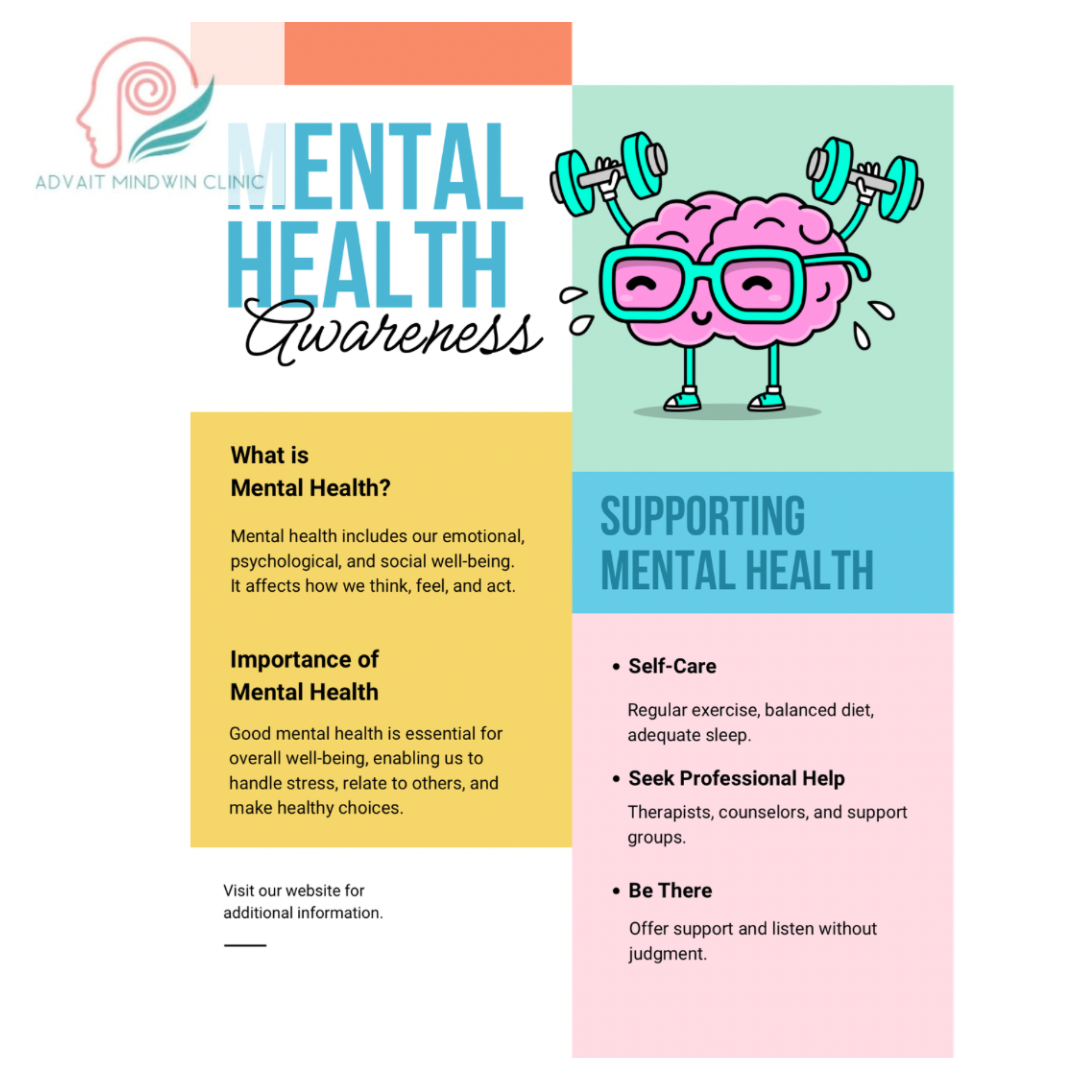
In the hustle of daily life, it’s easy to focus entirely on our physical health or our daily to-do lists while letting our internal world take a backseat. But just like physical fitness, our minds require intentional care and attention. Here is a foundational breakdown of what mental health really means, why it matters, and how you can actively support yourself and those around you. What is Mental Health? Mental health isn't just the absence of mental illness. It encompasses our emotional, psychological, and social well-being. It is the lens through which we experience the world, directly affecting: How we think about ourselves and future possibilities. How we feel when navigating life's inevitable ups and downs. How we act and react in our daily lives and relationships. Why Mental Health Demands Our Attention Good mental health is the cornerstone of a fulfilling life. When we actively nurture our psychological well-being, we unlock the capacity to: Navigate Stress: Life will always throw curveballs, but a resilient mind allows us to process pressure without breaking. Build Meaningful Connections: It empowers us to relate deeply to others, communicate effectively, and cultivate healthier relationships. Make Better Choices: Clear thinking leads to constructive decision-making, from the career paths we choose to how we care for our bodies. Actionable Ways to Support Mental Health Caring for your mind doesn't have to be complicated. It comes down to a few core pillars: 1. Practice Consistent Self-Care Tiny daily habits yield the biggest long-term results. Focus on the basics: Regular Exercise: Moving your body releases endorphins, nature’s natural mood lifters. A Balanced Diet: Brain health is closely linked to gut health; fueling yourself well keeps your energy and mood stable. Adequate Sleep: Never underestimate the power of a solid night's rest to reset your nervous system and emotional baseline. 2. Normalise Seeking Professional Help You don't have to navigate heavy seasons alone. Reaching out to professionals—such as therapists, counselors, or dedicated support groups—is a sign of strength, not weakness. They provide the objective tools and coping strategies needed to process complex emotions safely. 3. 'Be There' for Others Sometimes, the best way to support mental health is to look outward. You can be a lifeline for someone else simply by offering a safe space. Practice active listening, check in on your friends, and listen without judgment. Knowing they aren't alone can make all the difference. Take the Next Step Your mental well-being is an ongoing journey. For more resources, insights, and guidance on navigating your mental health, visit our website to explore further.


